
By Dr. Troy Oracko
Some people get more cavities because of a mix of factors, including tooth shape, enamel strength, oral bacteria, diet, dry mouth, brushing and flossing habits, fluoride exposure, and dental history. Even if you brush every day, your cavity risk may be higher if plaque sits in hard-to-clean areas or if your teeth are often exposed to sugar or acid.
At Phoenixville Dental, Dr. Troy Oracko helps patients understand why cavities keep happening and what can be done to lower future risk. The goal is to identify the specific factors affecting your teeth so prevention becomes easier and more realistic.
Why Do Some People Get More Cavities Than Others?
Cavities do not happen for one reason only. They usually develop when bacteria, food particles, sugar, acid, enamel weakness, and time work together.
Everyone has bacteria in the mouth. Some of these bacteria feed on sugars and starches from food and drinks. As they break those down, they produce acids that weaken tooth enamel. If this happens often enough, the enamel can break down and form a cavity.
What Are the Biggest Risk Factors for Cavities?
Some cavity risks are related to habits. Others are related to tooth structure, saliva, dental history, or health conditions.
| Cavity Risk Factor | How It Can Lead to Decay |
|---|---|
| Deep grooves in teeth | Plaque and food can collect in hard-to-clean areas |
| Weak or thin enamel | Teeth may be less resistant to acid damage |
| Frequent snacking | Gives bacteria more chances to produce acid |
| Sugary or acidic drinks | Can weaken enamel over time |
| Dry mouth | Less saliva means less natural protection |
| Inconsistent flossing | Plaque stays between teeth |
| Old dental work | Margins around fillings or crowns may trap bacteria |
Cavities are more likely when several of these factors happen together. For example, a person with dry mouth who snacks often and has deep grooves in the back teeth may have a higher risk than someone with strong saliva flow and fewer hard-to-clean areas.
How Do Diet and Snacking Affect Cavities?
Cavity risk is not only about how much sugar you eat. It is also about how often your teeth are exposed to sugar and acid.
If you sip soda, sports drinks, sweet coffee, juice, or flavored drinks throughout the day, your teeth may be exposed to acid repeatedly. The same can happen with frequent snacking, especially on sticky or sugary foods.
Higher-risk foods and drinks include:
- Candy
- Cookies
- Crackers
- Chips
- Dried fruit
- Soda
- Juice
- Sweet tea
- Sports drinks
- Sugary coffee drinks
Even foods that do not taste extremely sweet can still break down into sugars. Crackers and chips, for example, can stick in the grooves of teeth and feed bacteria.
This does not mean you can never enjoy these foods. It means timing and frequency matter. Drinking water, limiting constant snacking, and keeping sweets with meals instead of grazing all day can help lower acid exposure.
Does Dry Mouth Increase Cavity Risk?
Yes, dry mouth can increase cavity risk. Saliva helps protect your teeth by washing away food particles, neutralizing acids, and bringing minerals back to the enamel.
When you do not have enough saliva, bacteria and acids can stay on the teeth longer. This can make cavities more likely, especially near the gumline, between teeth, or around fillings and crowns.
Dry mouth may be linked to:
- Certain medications
- Dehydration
- Mouth breathing
- Tobacco use
- Some health conditions
- Stress
- Aging
- Certain medical treatments
If your mouth often feels dry, sticky, or uncomfortable, mention it during your dental visit. Treating dry mouth may be an important part of reducing future cavities.
Do Genetics Affect Cavities?
Genetics can play a role in cavity risk, but they are not the whole story. Some people naturally have tooth shapes, enamel quality, saliva flow, or oral bacteria that make cavities more likely.
For example, deeper grooves in the molars can trap food more easily. Thinner or weaker enamel may be less resistant to acid. Saliva differences can also affect how well the mouth protects itself.
Still, genetics do not mean cavities are unavoidable. Daily habits, fluoride exposure, regular cleanings, diet choices, and early treatment all make a difference.
If cavities run in your family, it may simply mean you need a more personalized prevention plan.
How Can You Prevent Cavities If You Are High-Risk?
If you are prone to cavities, prevention needs to be more specific than “brush better.” You may need to adjust several habits and use extra protection.
Helpful steps include:
- Brush twice daily with fluoride toothpaste
- Floss every day
- Limit frequent snacking
- Reduce sugary and acidic drinks
- Drink more water
- Ask about fluoride treatment
- Consider sealants if appropriate
- Keep regular dental exams and cleanings
- Treat dry mouth early
- Replace old or failing dental work when needed
Routine dental exams and cleanings help catch early decay, remove buildup, and monitor areas that may be at higher risk. Cleanings are especially important if plaque or tartar builds up quickly or if you have a history of frequent cavities.
Preventive care is not only about avoiding pain. It helps preserve natural tooth structure and reduce the chance of needing more complex treatment later.
What If You Already Have Frequent Cavities?
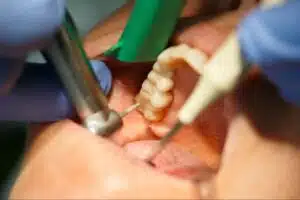
If you keep getting cavities, the first step is to find out why. A dentist can look for patterns, such as decay between the teeth, cavities near the gumline, failing fillings, dry mouth, or plaque buildup in specific areas.
Your dental team may ask about your diet, drinks, brushing routine, flossing habits, medications, and dental history. This is not to judge you. It is to understand what may be driving the problem.
Depending on what is found, your plan may include:
- More frequent cleanings
- Fluoride recommendations
- Sealants for deep grooves
- Dry mouth management
- Changes to snacking habits
- Replacement of leaking fillings
- Better tools for cleaning between teeth
- Restorative treatment for existing decay
For patients with active decay or old dental work that needs attention, dental care can help restore damaged teeth and create a plan to prevent the same problems from repeating.
When Should You See a Dentist About Frequent Cavities?
You should schedule a dental visit if cavities keep coming back or if you notice changes that may point to decay.
Signs to watch for include:
- Tooth sensitivity
- Pain when chewing
- Food getting stuck in one area
- Visible dark spots
- Rough or broken fillings
- Bad breath that does not improve
- A chipped or cracked tooth
- Sensitivity to sweets, cold, or heat
Do not wait until pain becomes severe. Many cavities are easier to treat when they are small. If decay spreads deeper into the tooth, treatment may become more involved.
Cavity Prevention in Phoenixville at Phoenixville Dental
If you are wondering, “Why do some people get more cavities?” The answer often starts with a careful exam and a conversation about your habits, health, and dental history.
At Phoenixville Dental, we help patients in Phoenixville understand their cavity risk and create practical prevention plans. Our office provides dental exams, cleanings, fillings, preventive care, restorative dentistry, and patient-focused guidance for long-term oral health.
Our office is located at 883 Valley Forge Road, Phoenixville, PA 19460 and you can call us on (610) 933-3717.
Final Takeaway: Frequent Cavities Usually Have a Reason
Frequent cavities are usually not random. They often happen because of a combination of risk factors, such as enamel strength, tooth shape, dry mouth, diet, oral bacteria, flossing habits, fluoride exposure, or older dental work.
The good news is that cavity risk can often be lowered once the cause is understood. If you keep getting cavities despite trying to care for your teeth, a personalized prevention plan can help.
To get clear answers about your cavity risk, contact Phoenixville Dental to schedule an appointment.
Frequently Asked Questions
Why do I get cavities even though I brush my teeth?
You can still get cavities if plaque remains between teeth, your enamel is weaker, you snack often, you have dry mouth, or your brushing technique does not clean certain areas well.
Are some people naturally more prone to cavities?
Yes. Some people have tooth shape, enamel strength, saliva flow, or oral bacteria that increase cavity risk. Daily habits and regular dental care still make a big difference.
Does snacking cause cavities?
Frequent snacking can raise cavity risk because bacteria get repeated chances to produce acid. Sugary, sticky, and acidic snacks are especially likely to contribute to decay.
Can dry mouth cause more cavities?
Yes. Saliva helps protect teeth by washing away food and neutralizing acids. Dry mouth can make decay more likely, especially near the gumline or around dental work.
How can I prevent cavities if I keep getting them?
Brush with fluoride toothpaste, floss daily, limit frequent sugar exposure, drink water, keep regular cleanings, and ask your dentist about fluoride treatment, sealants, or dry mouth care.