
Gum disease is one of the most common oral health concerns among adults, especially when early symptoms like bleeding gums, tenderness, or persistent bad breath begin to appear. Many patients wonder whether switching to the right mouthwash can help. The short answer: Yes—when used properly, therapeutic mouthwash can support gum health, reduce inflammation, and improve your overall oral hygiene routine.
At Phoenixville Dental in Phoenixville, PA, Dr. Troy Oracko and our team guide patients every day on effective ways to protect their gums. As a trusted dentist in Phoenixville, we help patients understand the best prevention strategies and treatment options for maintaining healthy gums.
In this blog, we’ll explain what the best mouthwash for gum disease is, how it works, which ingredients matter, and when to consider professional treatment. Our goal is to help you make informed, confident decisions about your oral health with clear, clinically accurate information.
Understanding Gum Disease and Why Mouthwash Helps
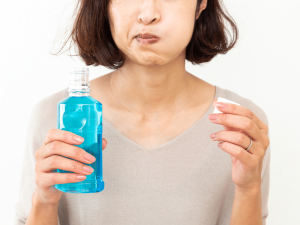
Gum disease (also called periodontal disease) starts when plaque bacteria accumulate along the gumline. If not removed, it hardens into tartar, irritating the gums and triggering inflammation.
Early-stage gum disease, known as gingivitis, is reversible. Choosing the best mouthwash for gingivitis can help reduce harmful bacteria, support healing, and freshen breath.
Mild symptoms often include:
- Bleeding while brushing or flossing
- Swollen or tender gums
- Bad breath
- Redness around the gumline
If these symptoms are present, using a therapeutic mouth rinse can be a powerful addition to brushing and flossing.
How Mouthwash Supports Gum Health
A good mouthwash does more than freshen breath. Depending on its active ingredients, it can:
- Reduce plaque-causing bacteria
- Control inflammation
- Strengthen gum tissue
- Help manage bleeding gums.
- Improve moisture for dry mouth patients.
- Deliver fluoride to protect enamel.
While mouthwash alone cannot replace professional cleanings, it can support gum health between visits, especially when chosen correctly.
What Is the Best Mouthwash for Gum Disease?
If you’re wondering what the best mouthwash for gum disease is, there is no one-size-fits-all answer. The best treatment depends on the severity of the condition, your symptoms, and your overall oral health. However, dental professionals, including Dr. Troy Oracko, often recommend mouthwash categories with proven benefits.
Below are the most effective types of mouthwash for gum disease, along with who they help the most.
1. Antimicrobial/Antiseptic Mouthwash
These mouthwashes are often the first recommendation for patients with bleeding or inflamed gums.
Key Ingredients:
- Chlorhexidine (CHX) – Prescription only
- Cetylpyridinium chloride (CPC)
- Essential oils (like menthol or thymol)
Benefits:
- Reduces plaque-causing bacteria
- Helps control active gum inflammation
- Supports healing and reduces bleeding
Chlorhexidine is considered the gold standard for short-term use under professional supervision, especially after dental treatments or deep cleanings. For everyday use, CPC-based rinses and essential-oil mouthwashes offer effective antimicrobial benefits without requiring a prescription.
2. Fluoride Mouthwash
While gum disease focuses on the gums, the supporting teeth also need protection. Gum recession exposes the root surface, increasing the likelihood of cavities.
Benefits:
- Strengthens enamel
- Protects exposed roots
- Helps reduce sensitivity
- Supports overall oral health
Patients undergoing dental filling treatments often benefit from fluoride rinses as part of their home-care routine.
3. Alcohol-Free Mouthwash for Sensitive Gums
Some patients experience burning or dryness when using alcohol-based rinses. Alcohol-free formulas offer the same therapeutic ingredients without irritation.
Best For:
- Dry mouth
- Gum sensitivity
- Patients prone to oral irritation
These mouthwashes are safe for long-term daily use.
4. Natural Mouthwash (With Clinical Benefits)
Natural options can be effective if they contain clinically backed ingredients.
Look for:
- Aloe vera (anti-inflammatory)
- Coconut oil (antimicrobial)
- Essential oils
While natural rinses can support gum health, they should be used as a complement—not a replacement—for dental care.
5. Prescription Mouthwash from Your Dentist
For moderate to advanced gum disease, over-the-counter options may not be enough. In such cases, Dr. Troy Oracko may prescribe a specialized rinse, such as chlorhexidine, to control infection and reduce inflammation more quickly.
Which Mouthwash Is Right for You?
The right mouthwash depends on:
- Severity of gum inflammation
- Frequency of bleeding
- Sensitivity levels
- History of gum disease
- Presence of dental restorations (e.g., fillings, implants)
If you’re unsure, schedule an exam at Phoenixville Dental. Early evaluation ensures better outcomes and helps prevent gum disease from progressing into more serious stages.
Mouthwash for Bleeding Gums: What to Use
Many patients first notice gum issues when they see bleeding during brushing. The best mouthwash for bleeding gums typically contains ingredients such as CPC, chlorhexidine (prescription), or essential oils that help reduce bacteria.
Bleeding gums often indicate gingivitis, which means proper treatment and professional cleanings can reverse the condition. Using mouthwash is a supportive step—never the only treatment.
How to Use Mouthwash Correctly for Gum Health
To maximize benefits:
- Brush first to break up plaque.
- Floss to remove debris and help the rinse reach deeper into the crevices.
- Use the recommended amount (usually 20–30 seconds)
- Avoid rinsing with water afterwards unless directed.
- Use twice daily or as prescribed.
Consistency matters. Using the right mouthwash regularly helps maintain gum health between cleanings.
When Mouthwash Isn’t Enough
While mouthwash is helpful, it cannot remove tartar or treat advanced gum disease on its own. You may need professional care if you experience:
- Persistent bleeding
- Gum recession
- Loose teeth
- Deep pockets around teeth
- Pain while chewing
At Phoenixville Dental, we provide comprehensive periodontal evaluations and personalised treatment plans using the latest techniques.
Why Choose Phoenixville Dental for Gum Health?
At our practice in Phoenixville, PA, we combine evidence-based dentistry with compassionate care. Whether you need help choosing the right mouthwash or require a full periodontal assessment, our team ensures your comfort and long-term oral health.
We Offer:
- Preventive cleanings
- Periodontal therapy
- Dental fillings
- Cosmetic services, including Teeth Whitening
- Personalised home-care recommendations
We provide dentistry that supports both health and confidence.
Additional Tips for Preventing Gum Disease
Along with using the best mouthwash for gingivitis, strengthen your routine with:
- Proper Brushing Technique
Use a soft-bristled toothbrush and angle it at 45 degrees to the gumline. Brush gently for two minutes twice daily.
- Daily Flossing
Flossing is essential. It removes plaque in areas that mouthwash can’t reach.
- Regular Dental Visits
Professional cleanings every 6 months help prevent gingivitis from progressing into periodontal disease.
- Healthy Diet
Limit sugary snacks and focus on nutrient-rich foods to support gum health.
- Manage Dry Mouth
Dry mouth increases gum irritation. Drink plenty of water and consider alcohol-free rinses.
Final Thoughts: What Is the Best Mouthwash for Gum Disease?
The best mouthwash for gum disease is one that fits your specific needs. For most patients, an antimicrobial mouthwash containing CPC or essential oils is well tolerated for daily use. Those with moderate symptoms may need a prescription rinse for short-term management.
If you’re concerned about bleeding gums, gingivitis, or overall gum health, the best next step is a professional evaluation. At Phoenixville Dental, Dr. Troy Oracko will help you choose the right products and provide the care needed to restore and maintain a healthy smile.
To schedule an appointment, please call us at (610) 933-3717.