
Gum disease is one of the most common oral health issues, yet it often goes unnoticed until serious damage has already occurred. Many people assume that if their gums don’t hurt, everything must be fine. Unfortunately, that assumption allows gum disease to progress quietly. Understanding the early signs of gum disease can help you take action before pain, tooth loss, or more advanced treatment becomes necessary.
At Phoenixville Dental, patient education and early prevention are key priorities. Knowing what to watch for can protect not only your smile, but your overall health as well.
What Is Gum Disease?
Gum disease, also known as periodontal disease, is an infection of the tissues that support your teeth. It begins when plaque, a sticky layer of bacteria, builds up along the gumline. If plaque is not removed through daily brushing, flossing, and professional cleanings, it hardens into tartar and irritates the gums.
Gum disease develops in stages:
- Gingivitis is the earliest stage. Gums become inflamed, red, and prone to bleeding, but there is no permanent damage yet.
- Periodontitis occurs when the infection spreads deeper beneath the gums, damaging bone and connective tissue that hold teeth in place.
The most dangerous aspect of gum disease is that it often causes little to no discomfort at first. This is why recognizing the early warning signs is so important.
Why Early Detection Matters
When gum disease is caught early, periodontal treatment is typically simple and non-invasive. Gingivitis can often be reversed with improved oral hygiene and professional dental care. However, once the disease advances to periodontitis, damage to bone and tissue is permanent and requires more extensive treatment.
Ignoring the early signs of gum disease can lead to: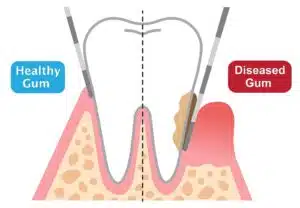
- Chronic infection
- Gum recession
- Loose or shifting teeth
- Tooth loss
- Increased risk of systemic health issues such as heart disease and diabetes complications
Early detection at Phoenixville Dental allows patients to protect their oral health before these complications develop.
Early Signs of Gum Disease Most People Ignore
Bleeding Gums
Bleeding gums are one of the most common and overlooked early signs of gum disease. Many people assume bleeding during brushing or flossing is normal, but healthy gums should not bleed regularly. Persistent bleeding is a sign of inflammation caused by bacteria along the gumline.
Red or Swollen Gums
Healthy gums are firm and light pink. If your gums appear red, puffy, or swollen, this may indicate gingivitis. Inflammation is your body’s response to bacterial irritation, and it often appears long before pain develops.
Chronic Bad Breath
Occasional bad breath happens to everyone, but persistent bad breath that does not improve with brushing or mouthwash may signal gum disease. Bacteria trapped below the gumline release toxins that create an ongoing odor.
Receding Gums
If your teeth appear longer than they used to, your gums may be pulling away from the teeth. Gum recession is an early warning sign that the supporting tissue is breaking down. Receding gums can also expose sensitive tooth roots, increasing the risk of discomfort and decay.
Tender Gums or Mild Sensitivity
Gum disease does not always cause sharp pain. Instead, you may notice tenderness, irritation, or sensitivity when brushing or eating certain foods. These subtle changes are easy to dismiss but can indicate early infection.
Changes in the Way Teeth Fit Together
Shifting teeth or changes in your bite may be an early sign that gum disease is affecting the structures supporting your teeth. Even small changes should be evaluated by a dental professional.
Increased Plaque or Tartar Buildup
If you notice more buildup along the gumline despite regular brushing, it may indicate that bacteria are thriving beneath the gums. This buildup accelerates gum disease progression if left untreated.
Why Gum Disease Often Develops Without Pain
Unlike cavities, gum disease rarely causes immediate discomfort. The infection progresses slowly, damaging tissue and bone without triggering nerve pain. By the time pain occurs, the disease is usually advanced.
This is why relying on pain as a warning sign can be misleading. Paying attention to visual changes, bleeding, and gum texture is far more effective for early detection.
Who Is at Higher Risk for Gum Disease?
While anyone can develop gum disease, certain factors increase the risk:
- Poor oral hygiene habits
- Smoking or tobacco use
- Diabetes
- Hormonal changes, such as pregnancy or menopause
- Certain medications that cause dry mouth
- Genetics and family history
- Chronic stress and a weakened immune system
Patients with these risk factors benefit greatly from regular dental visits at Phoenixville Dental, where early signs can be detected and managed promptly.
How Phoenixville Dental Helps Protect Gum Health
At Phoenixville Dental, preventing gum disease is just as important as treating it. Routine dental visits play a critical role in maintaining healthy gums and identifying issues early.
Comprehensive Dental Exams
During your exam, the dental team evaluates gum color, texture, and firmness. Measurements around the teeth help identify early pocket formation, which is a key indicator of gum disease.
Professional Cleanings
Even excellent at-home care cannot remove all plaque and tartar. Professional cleanings remove buildup from areas that are difficult to reach, reducing the risk of infection.
Early Intervention and Treatment
When early signs of gum disease are detected, treatment may include:
- Deep cleaning techniques such as scaling and root planing
- Personalized oral hygiene guidance
- More frequent professional cleanings
- Monitoring to ensure the condition does not progress
Addressing gum disease early often prevents the need for more advanced periodontal procedures later.
Daily Habits That Help Prevent Gum Disease
Good oral health starts with consistent daily habits. To reduce your risk of gum disease:
- Brush at least twice daily using proper technique
- Floss every day to remove plaque between teeth
- Use recommended mouth rinses if advised by your dentist
- Maintain a balanced diet low in added sugars
- Avoid smoking and tobacco products
- Schedule regular dental checkups and cleanings
These simple steps can significantly reduce the likelihood of developing gum disease.
The Connection Between Gum Health and Overall Health
Gum disease doesn’t just affect your mouth. Research has shown links between periodontal disease and systemic conditions such as heart disease, diabetes, and respiratory issues. Inflammation in the gums can allow bacteria to enter the bloodstream, potentially impacting overall health.
Caring for your gums is an important part of caring for your entire body, making early detection even more essential.
Schedule a Gum Health Evaluation at Phoenixville Dental Today
The early signs of gum disease are easy to overlook because they are often painless and subtle. Bleeding gums, bad breath, redness, or mild tenderness may not seem urgent, but they are your body’s early warning signals.
At Phoenixville Dental, early diagnosis and preventive care are central to helping patients maintain healthy smiles for life. If you’ve noticed any changes in your gums, or if it’s been a while since your last dental visit, addressing the issue now can save you from discomfort and complex treatment later. Contact us to learn more!